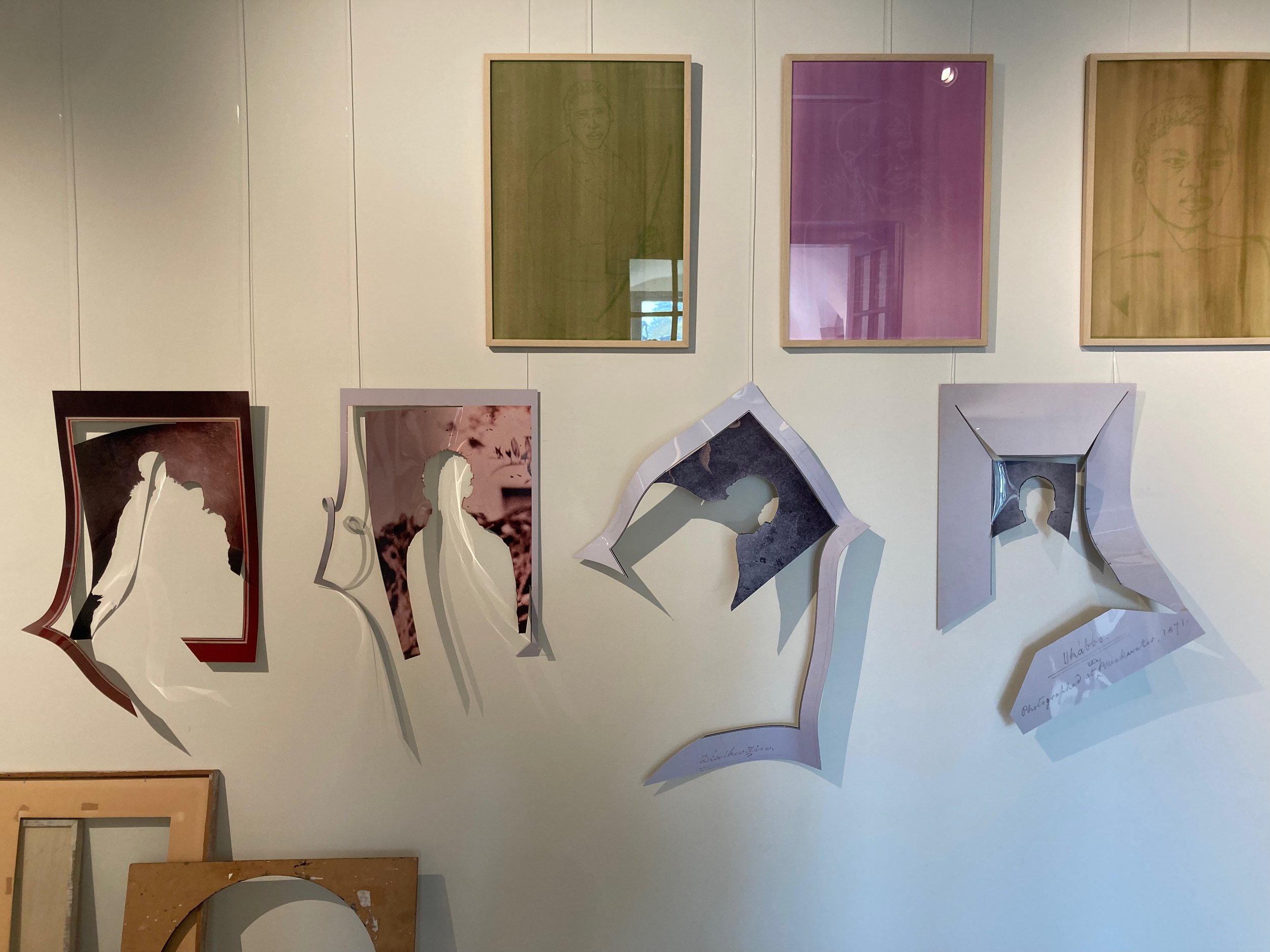
that i might see
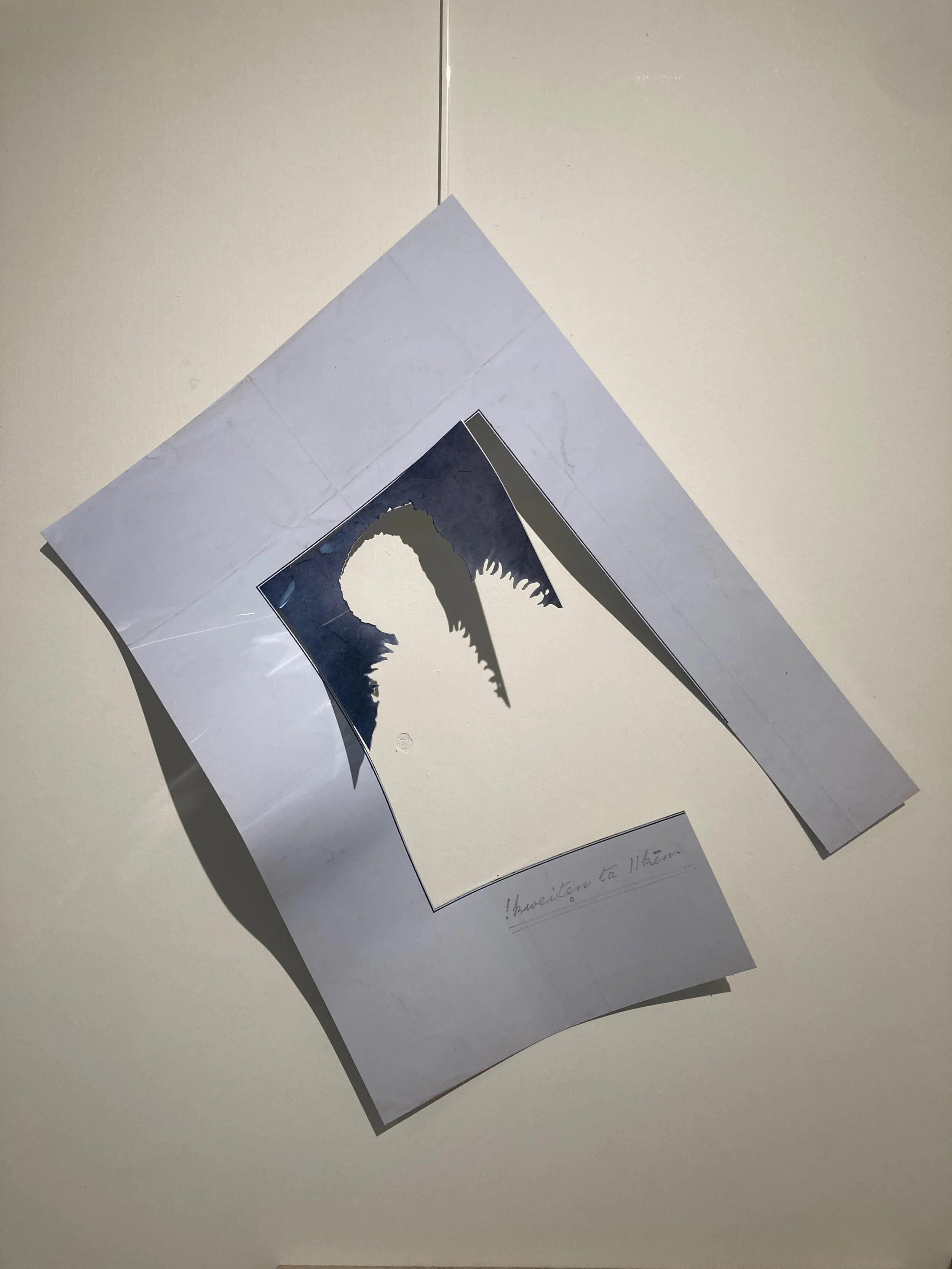
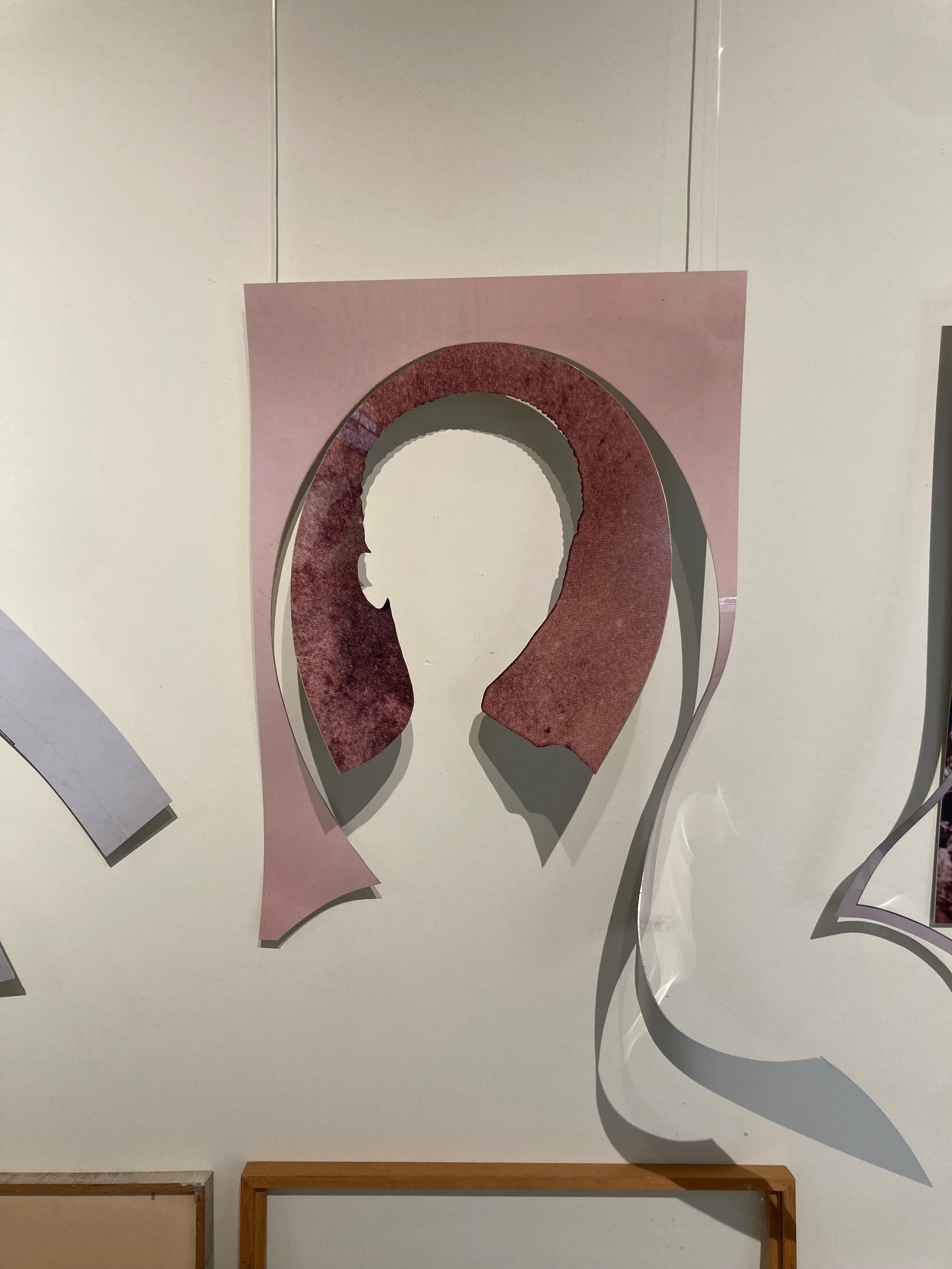
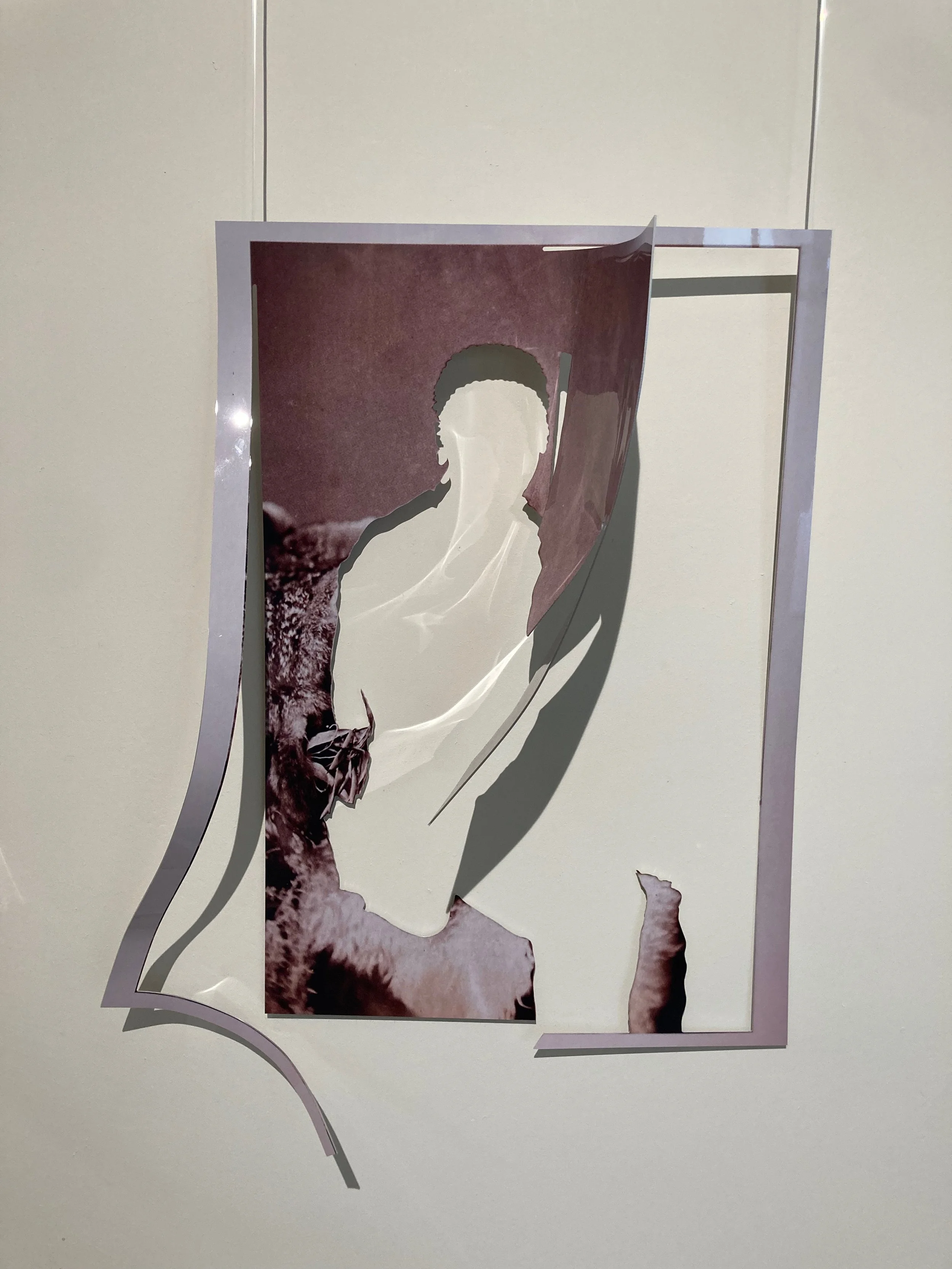
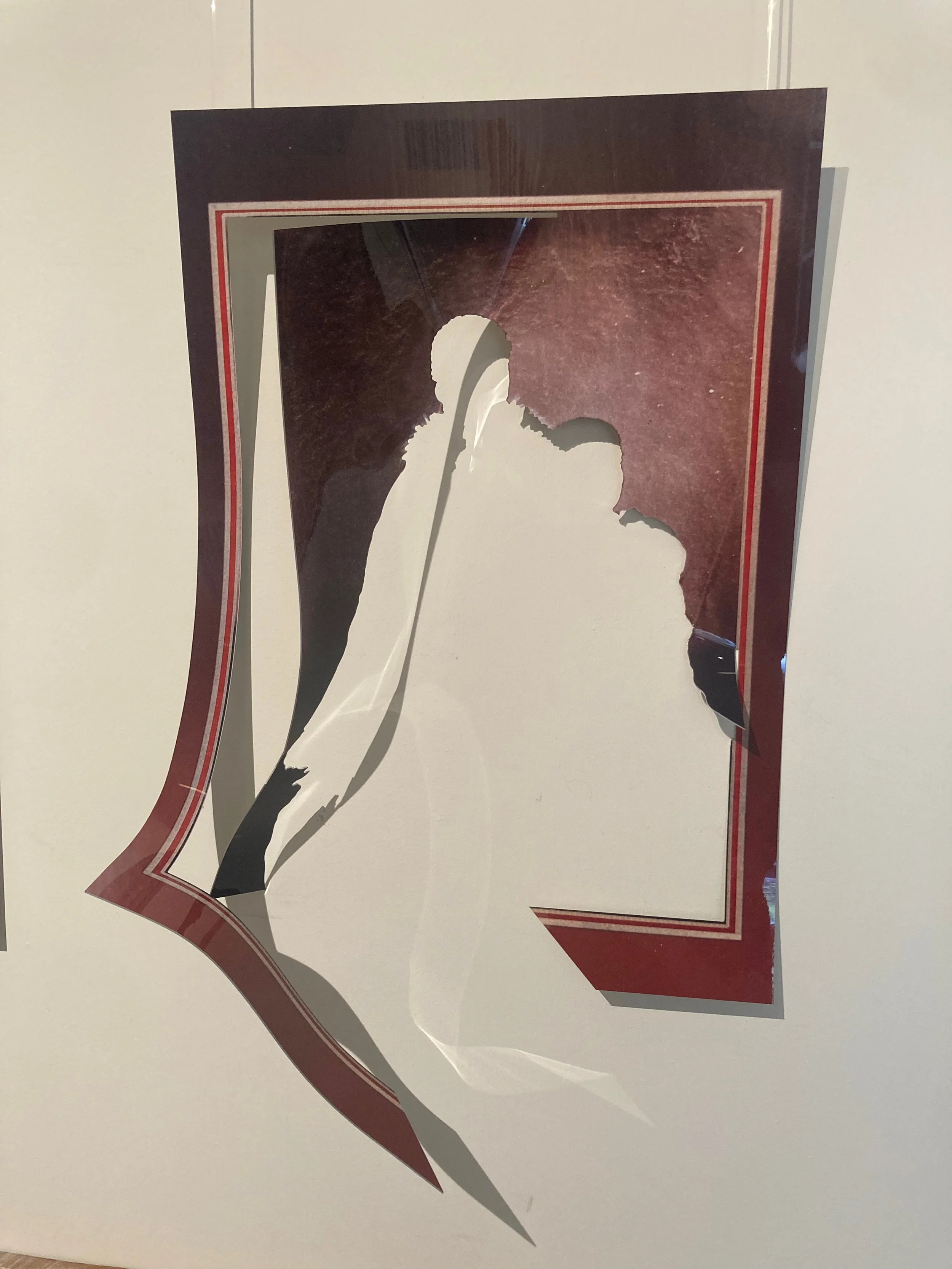
portraits of ǃkweiten ta ǁken, ǂkasin, Diaǃkwain, ǀaǃkunta, ǁkabbo, ǀhanǂkass’o, !nanni, Tamme, ǀuma and Da
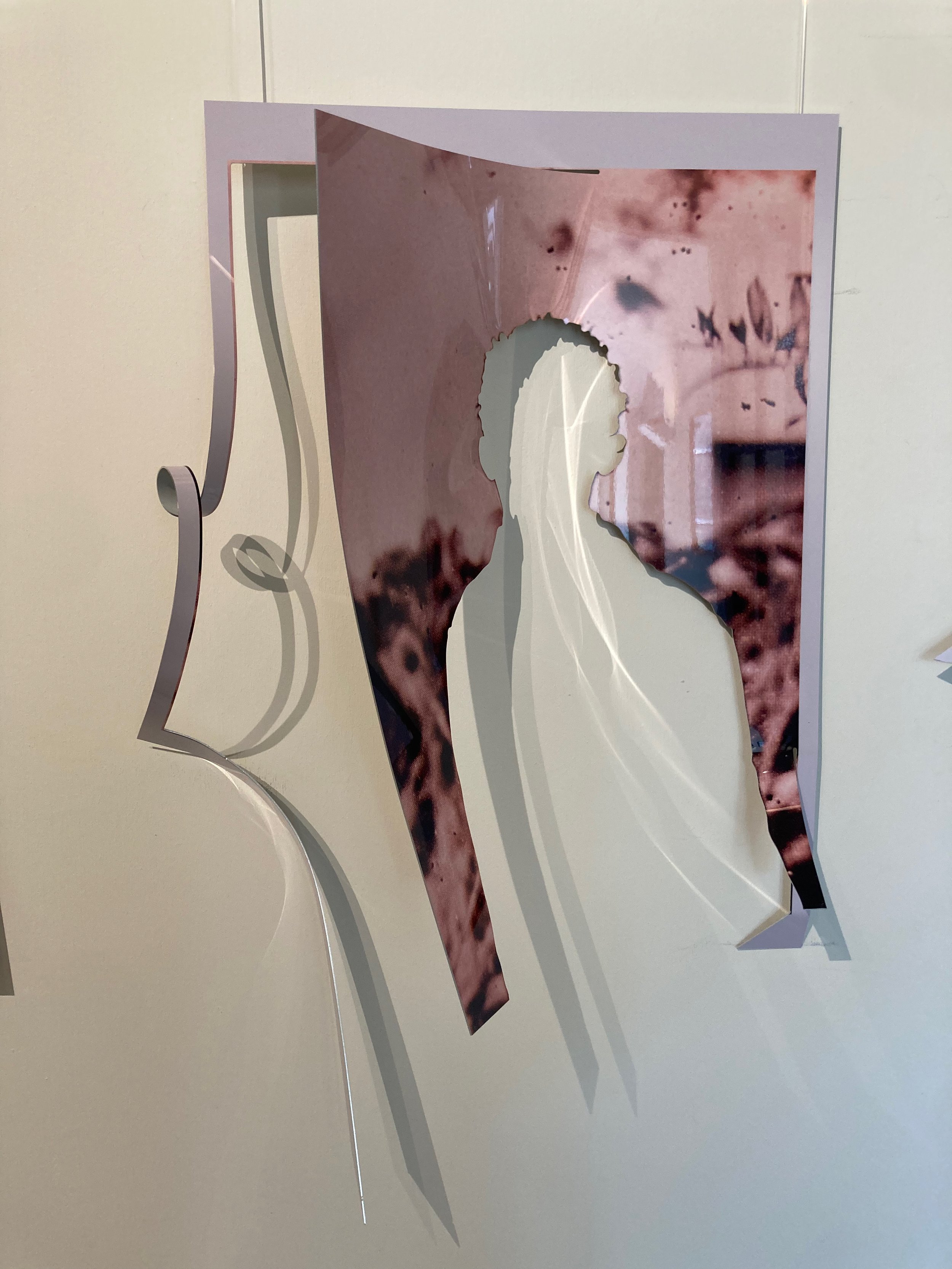
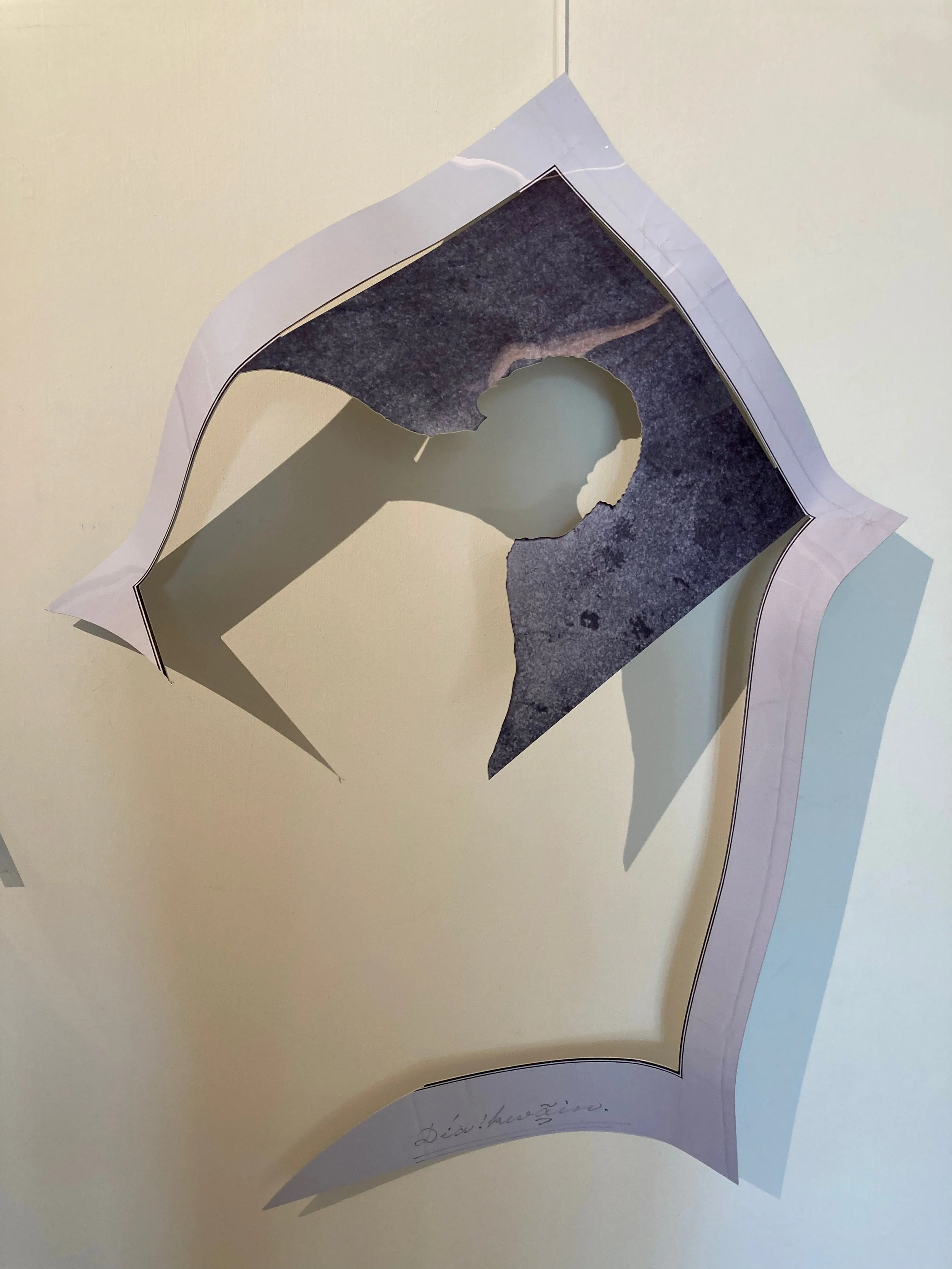
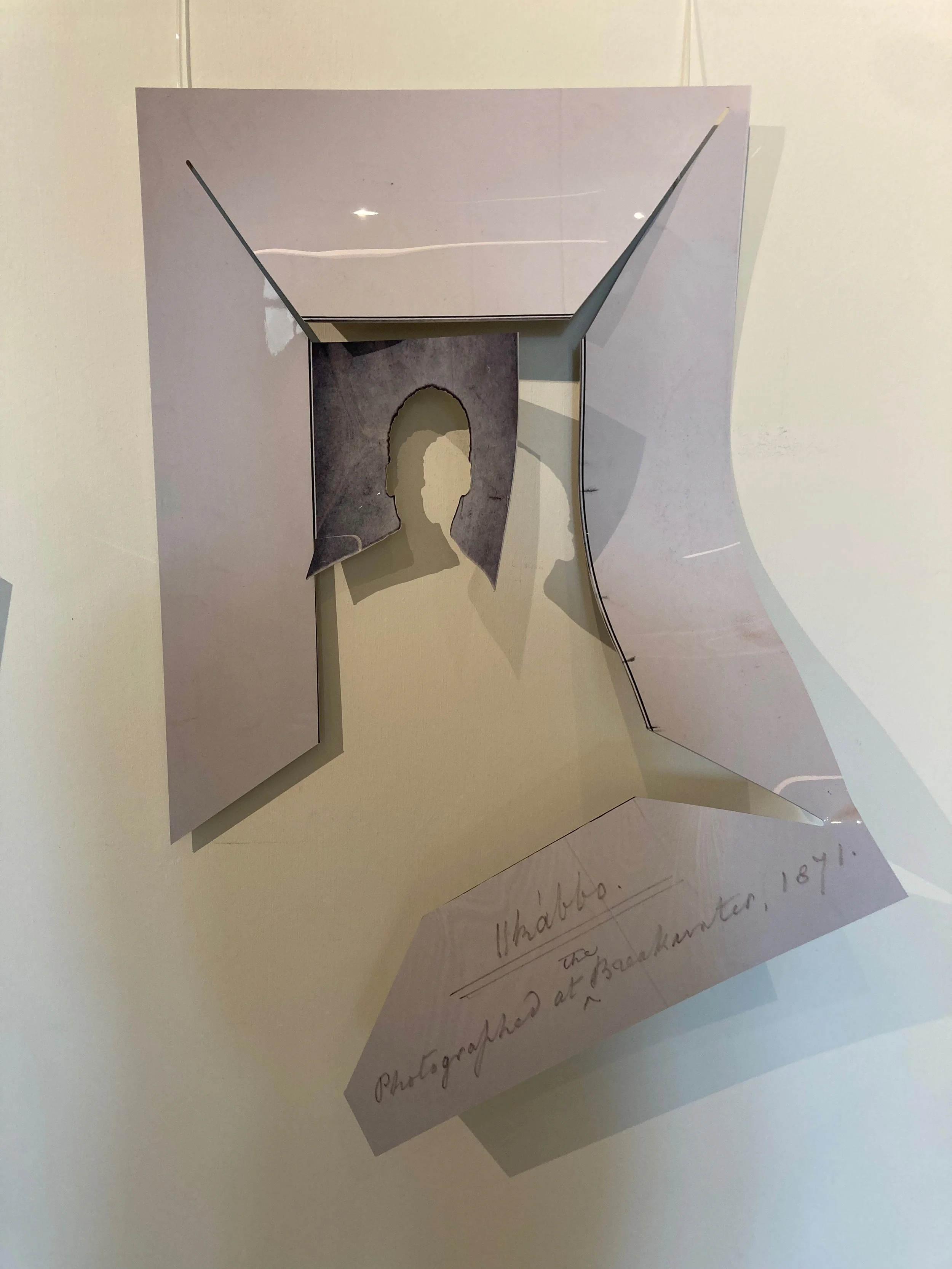
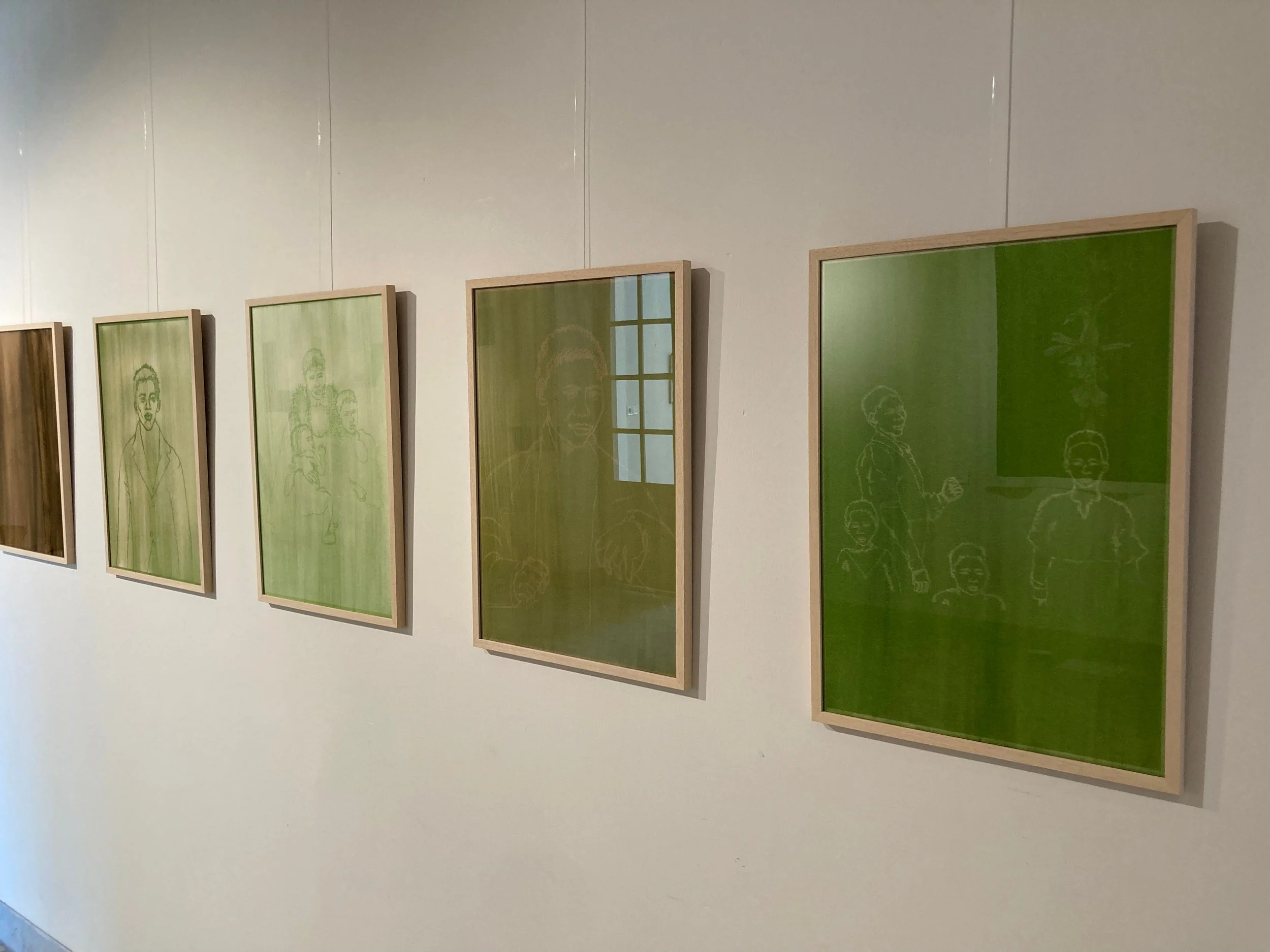
installation of 8 cut out photo prints on aluminium, 8 original anthotype prints made of stinging nettle, yarrow, plantain, wild garlic, elder and hibiscus, and several wooden frames.
each frame 42 x 59,4 cm, site specific installation, edition of 1
pigmented inkjet prints of anthotypes on Hahnemüle White Velvet paper edition of 5 + 1 AP
The installation That I Might See, portraits of ǃkweiten ta ǁken, ǂkasin, Diaǃkwain, ǀaǃkunta, ǁkabbo, ǀhanǂkass’o, !nanni, Tamme, |uma and Da, departs from portraits that were taken of these |xam and !xun men, women and children in South Africa between 1871 and 1881, that portrayed them in a demeaning, racist or exotified way. They are, however, also the only photographs that remain of ǃkweiten ta ǁken, ǂkasin, Diaǃkwain, ǀaǃkunta, ǁkabbo, ǀhanǂkass’o, !nanni, Tamme, |uma and Da, whose narratives recounting |xam and !xun folklore and personal accounts are now part of the Bleek and Lloyd Archive. Cutting out the portraits in aluminum and collapsing the frames is Westerveld’s attempt to release the narrators from the violence of the colonial camera that they were subjected to. To honour the narrators in the installation, Westerveld redrew and reprinted their portraits as anthotypes –images that are created using photosensitive material from plants, printed by exposure to sunlight. Using Stinging Nettle, Yarrow, Plantain, Wild Garlic, Elder and Hibiscus, plants that are known for their protective and healing properties, the portraits of the narrators appear to us enveloped in the protective cloak of these plants and will fade over time in the light.
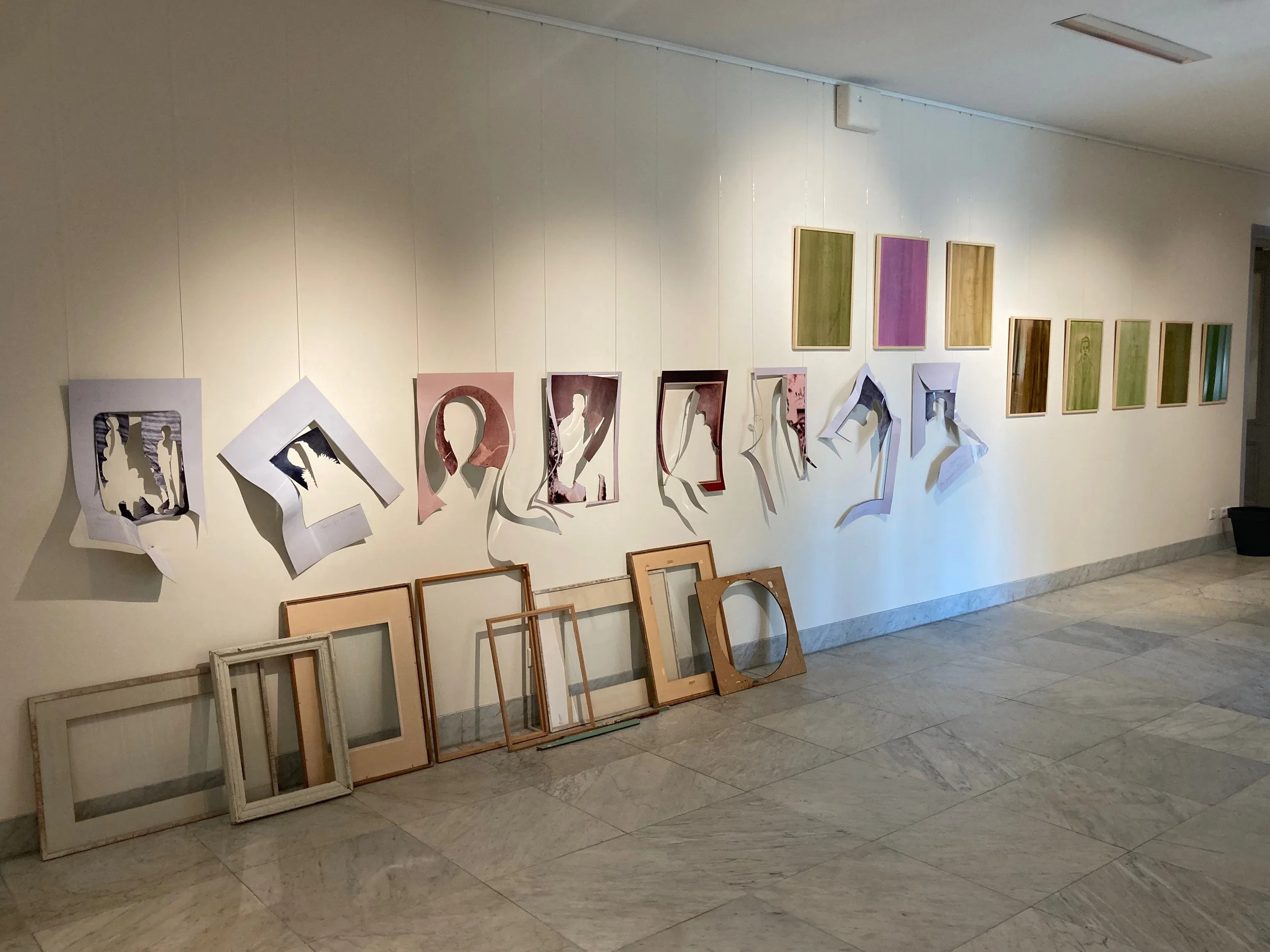
Installation view of That I Might See, portraits of ǃkweiten ta ǁken, ǂkasin, Diaǃkwain, ǀaǃkunta, ǁkabbo, ǀhanǂkass’o, !nanni, Tamme, ǀuma and Da, during the group exhibition To Mend a Broken String at Paviljoen Welgelegen, Haarlem 24 April - 17 July 2026.
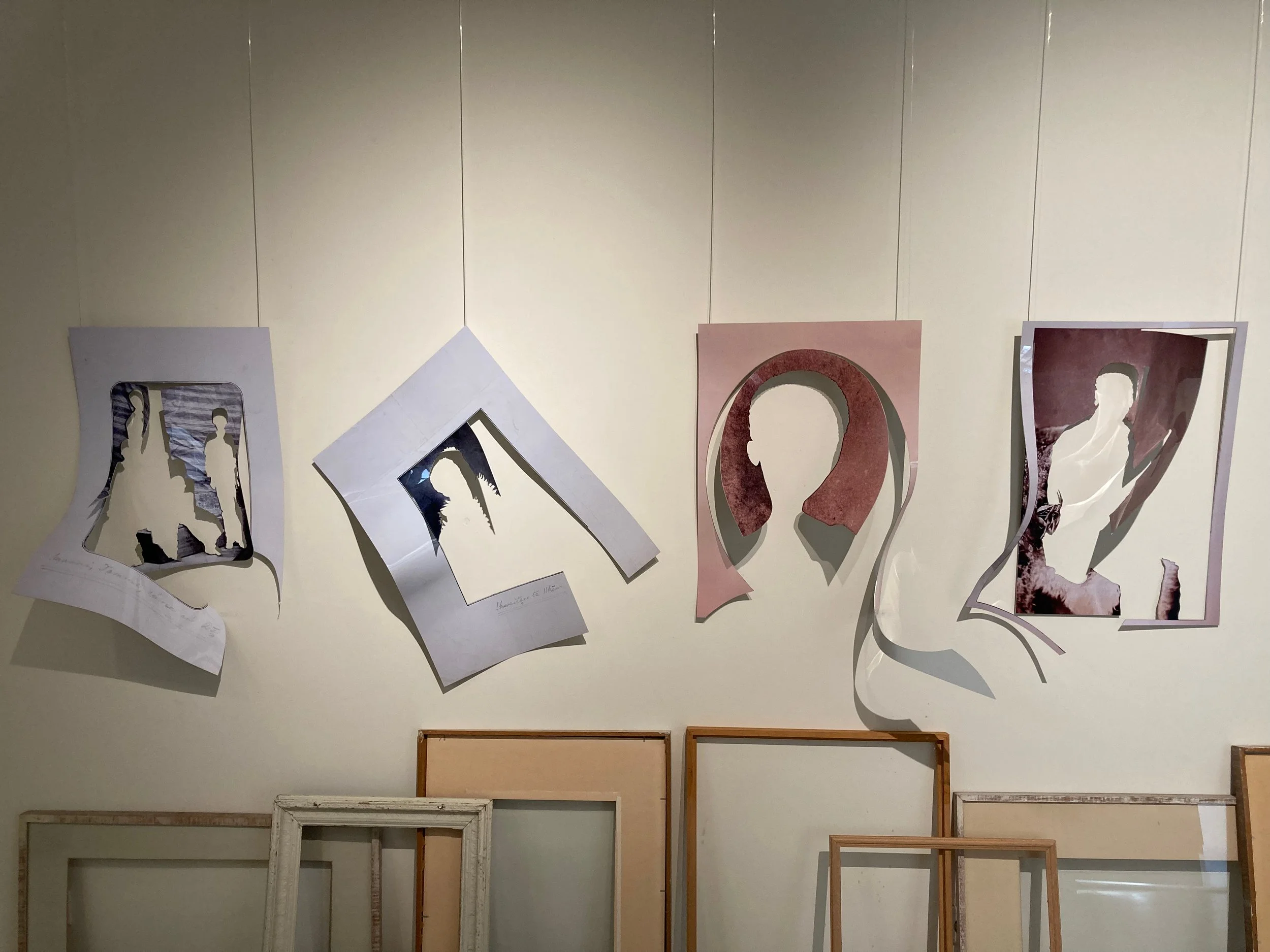
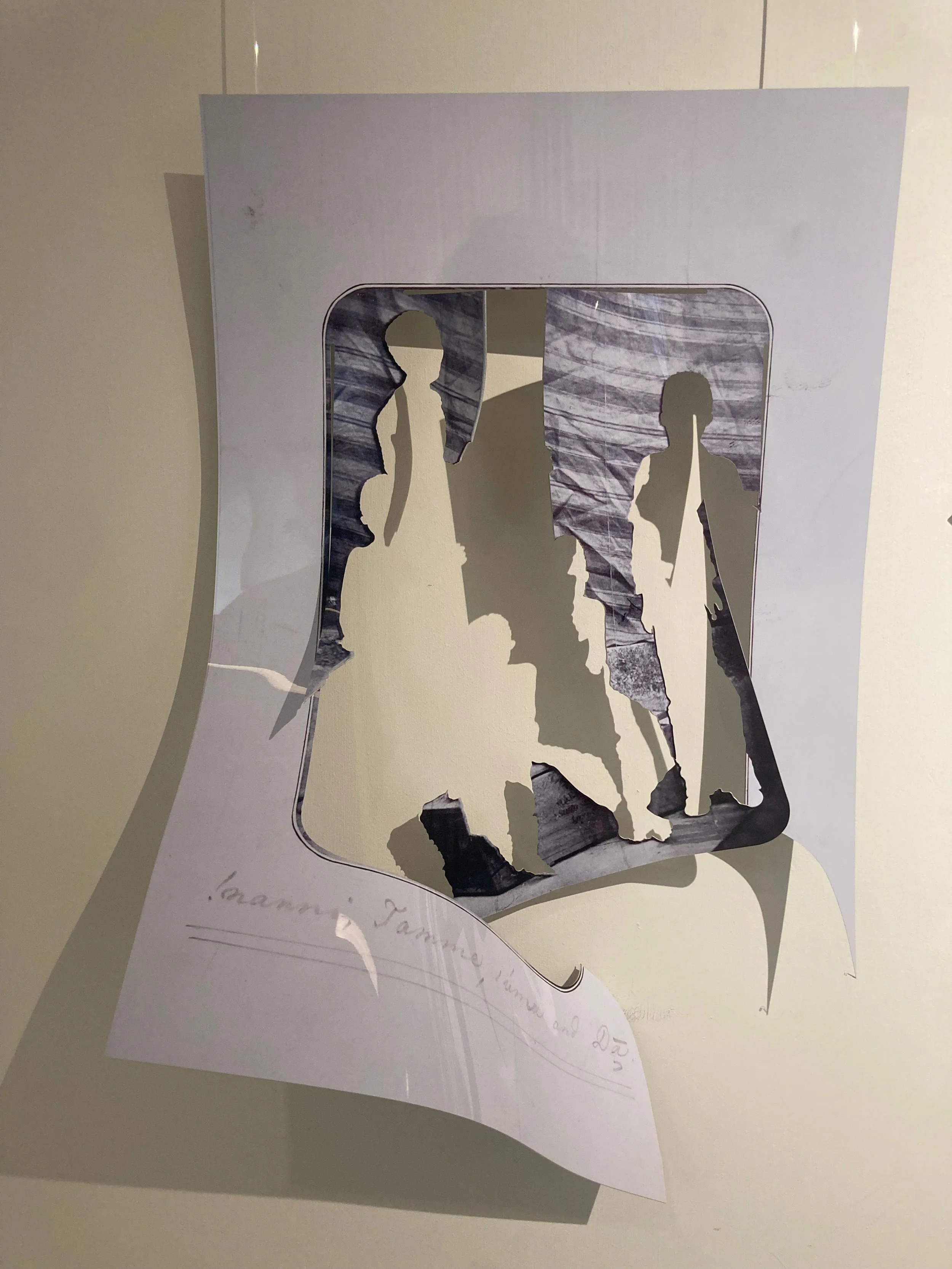
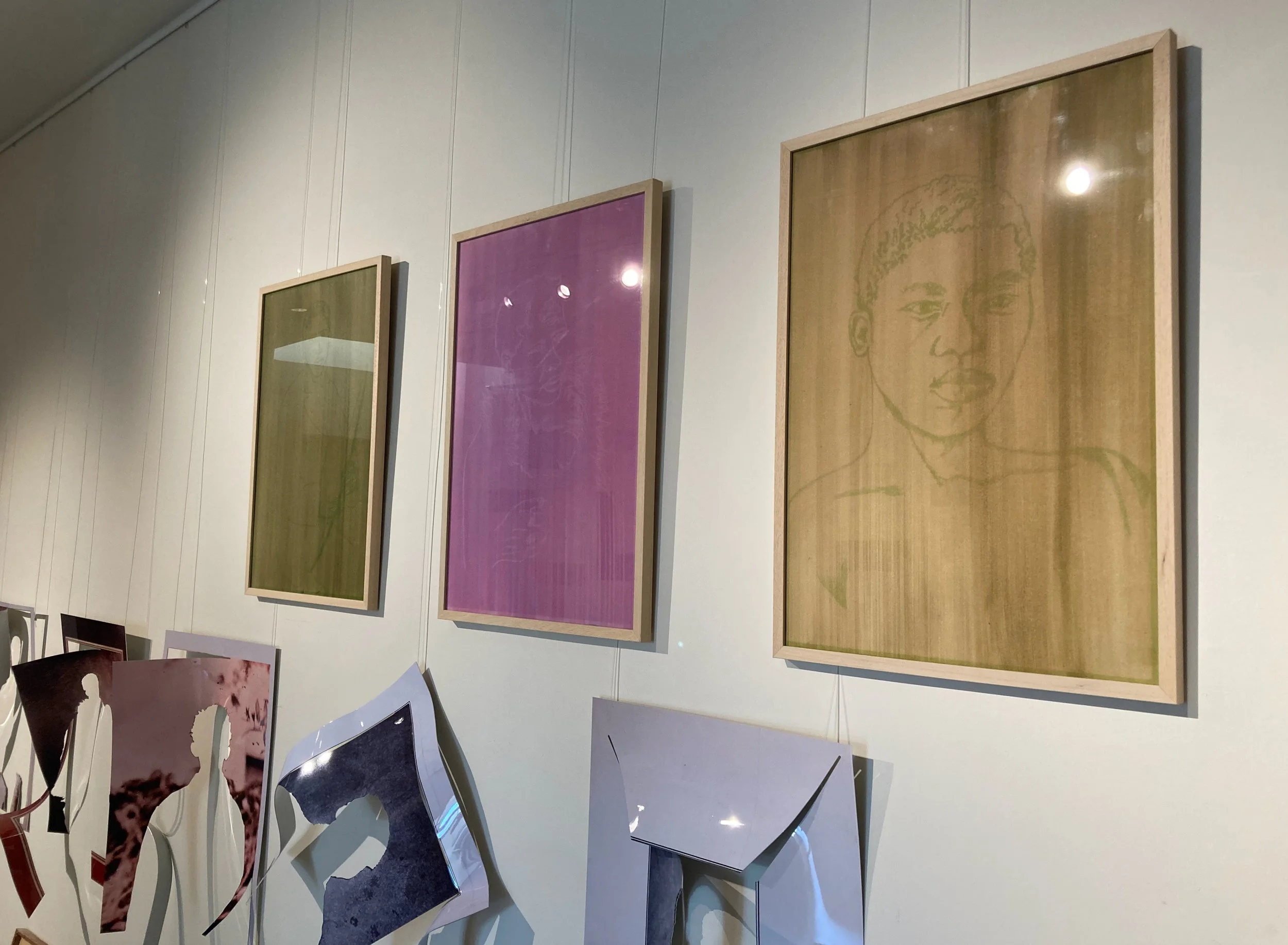
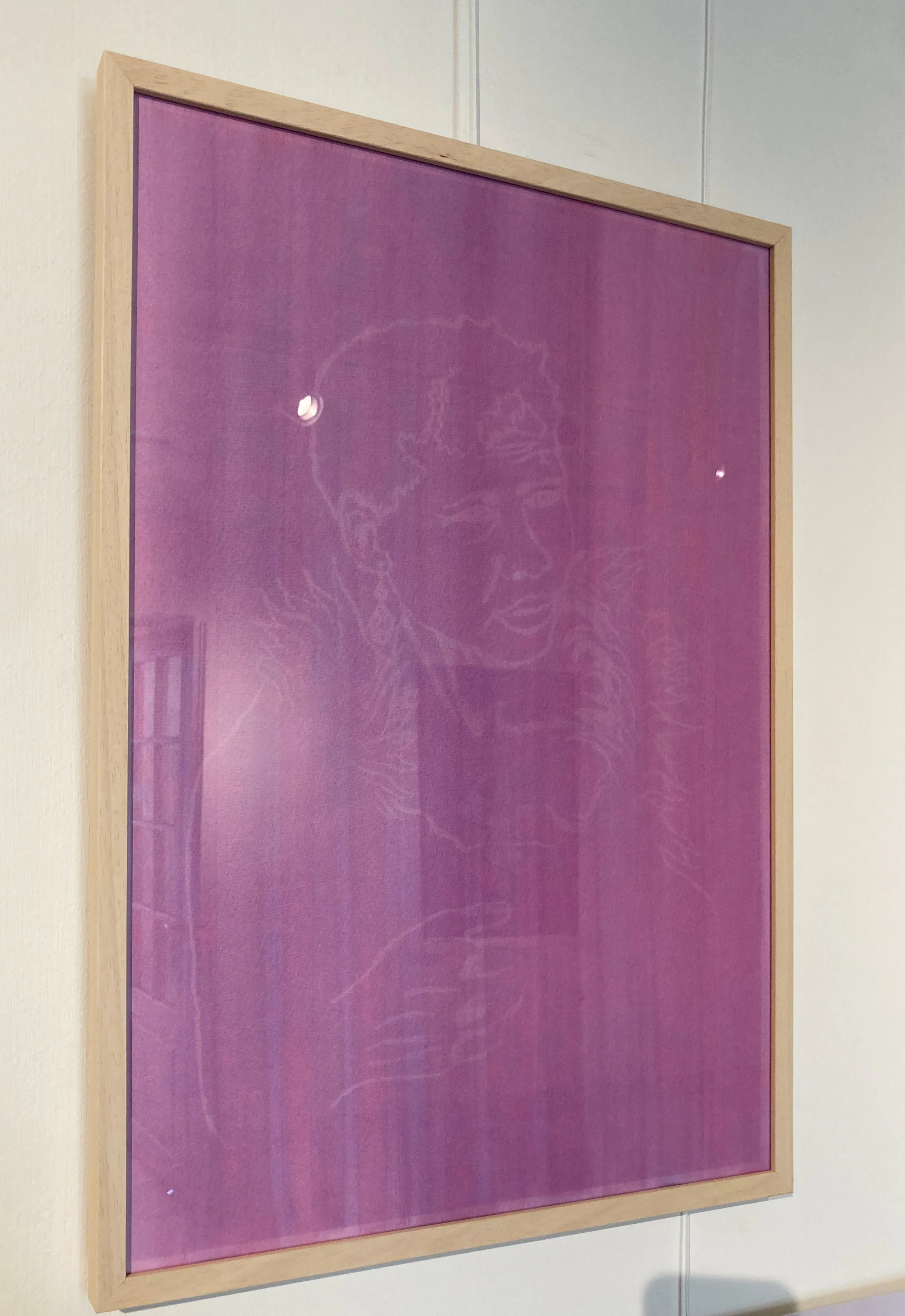
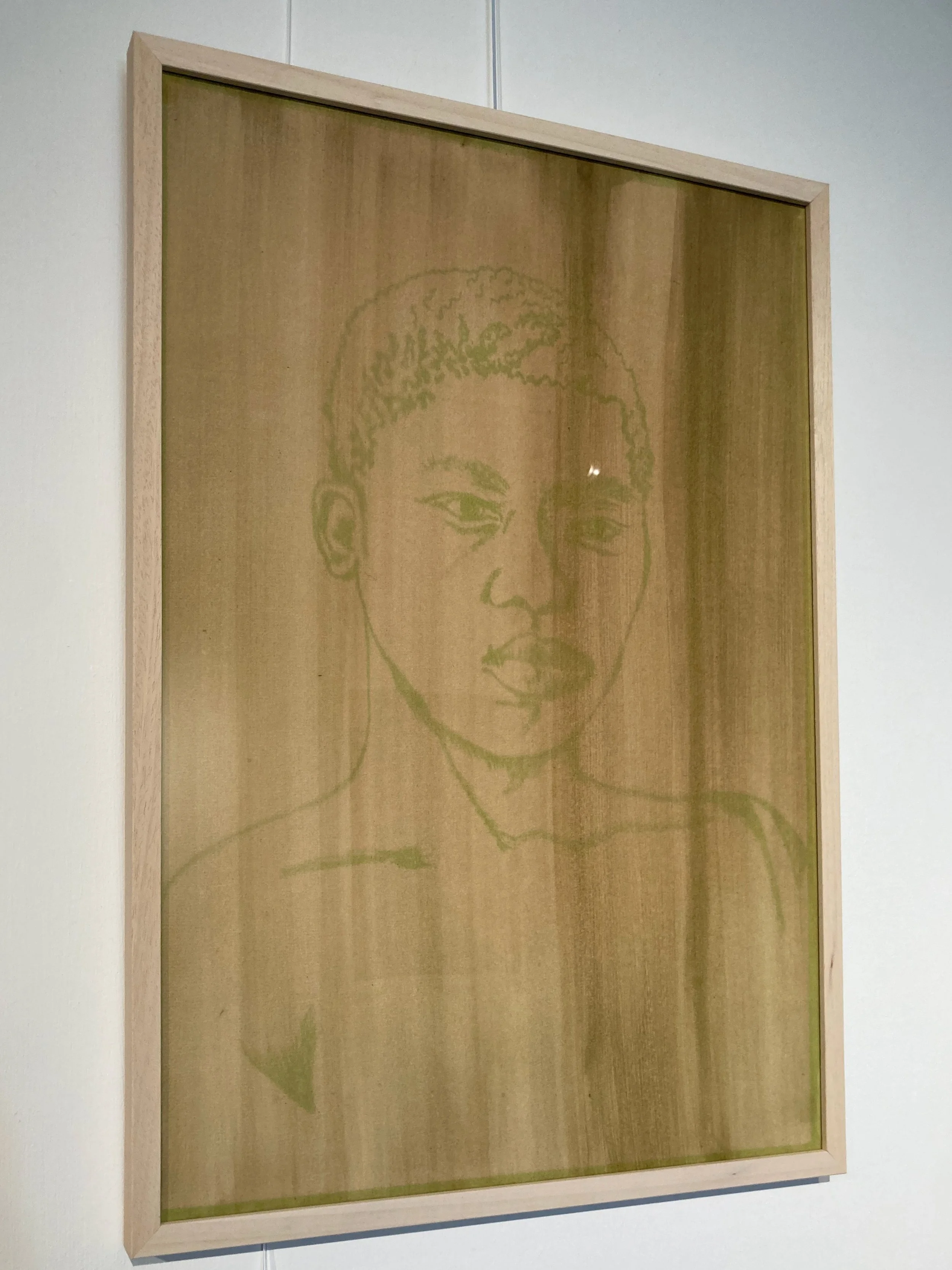
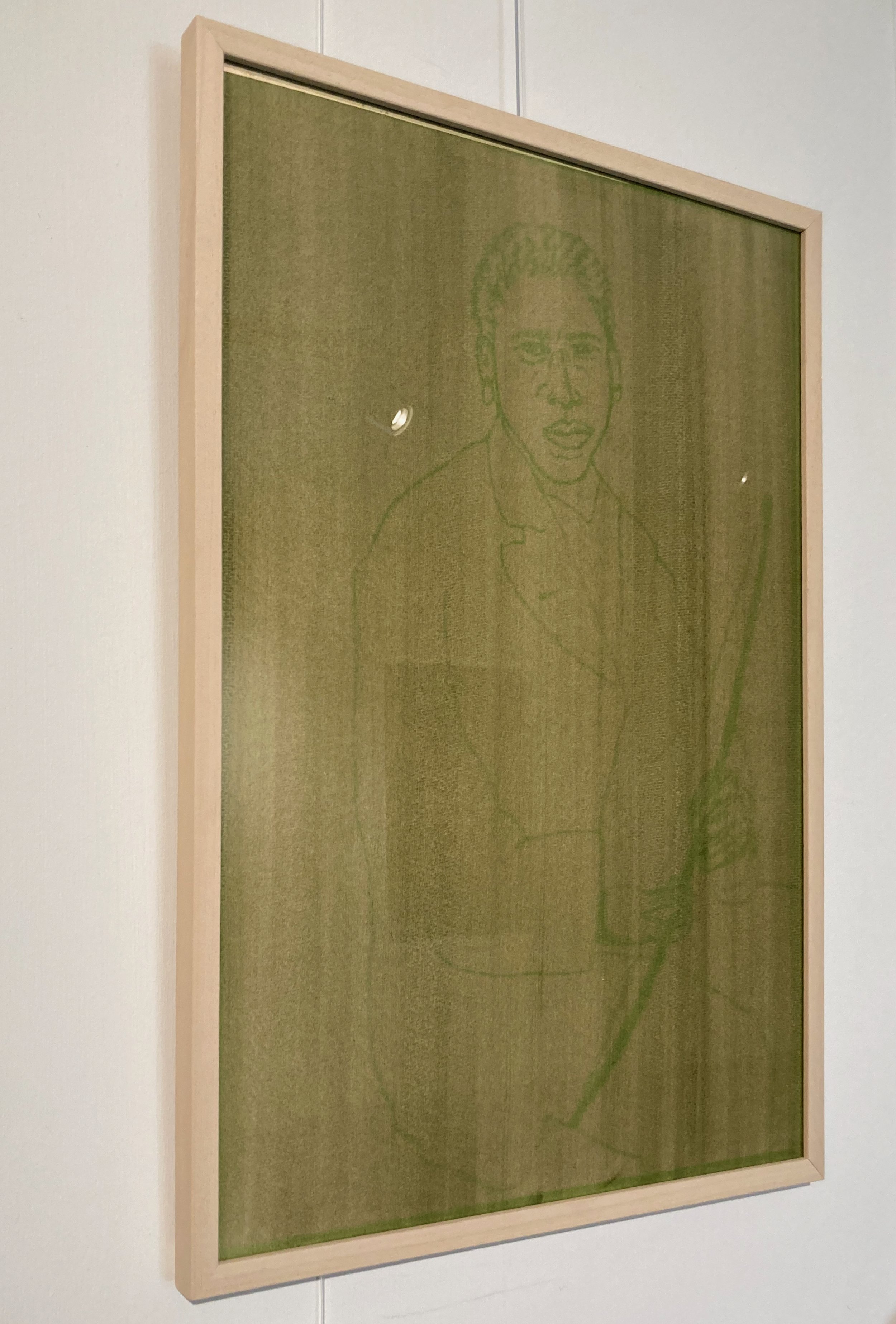
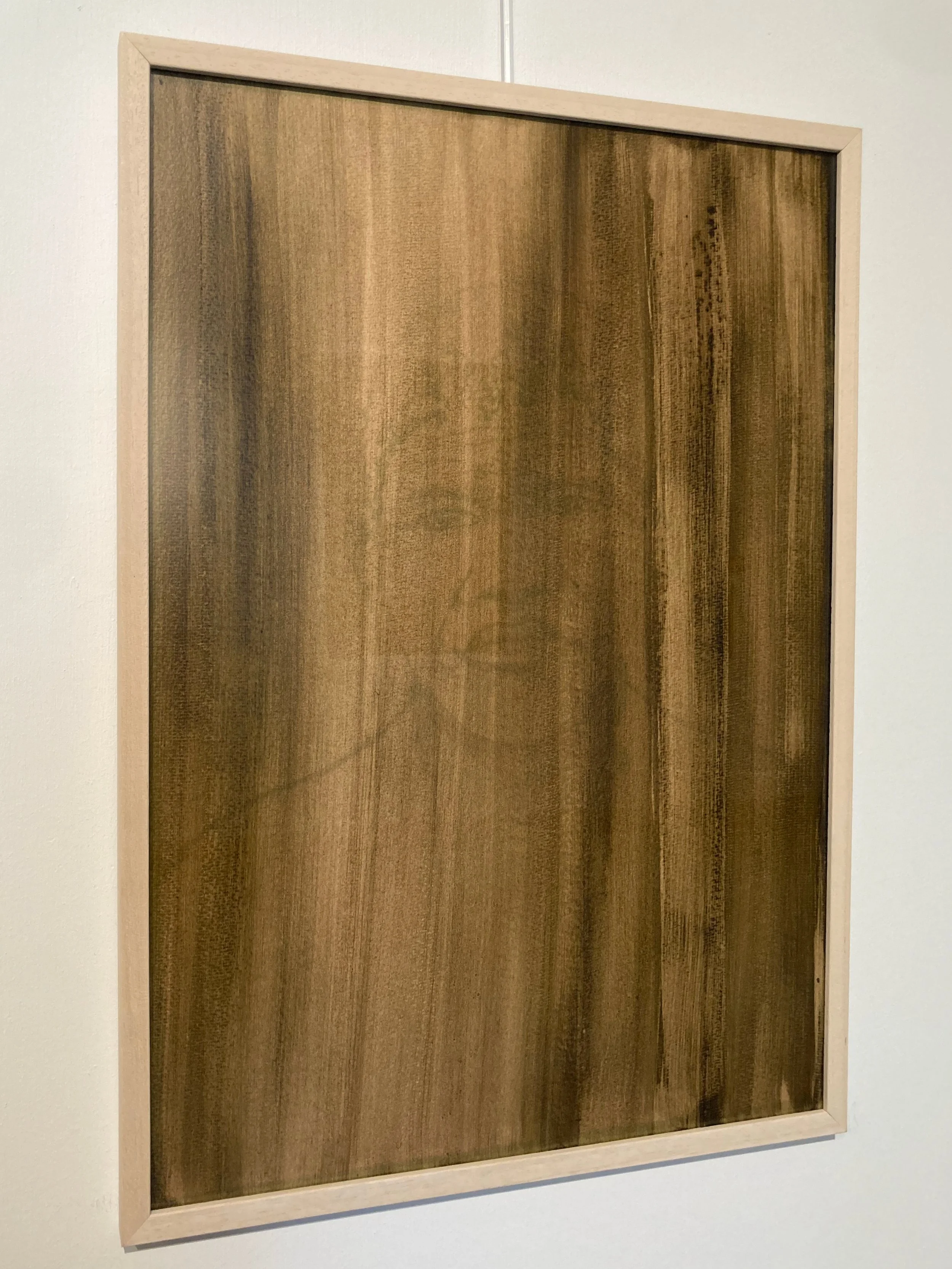
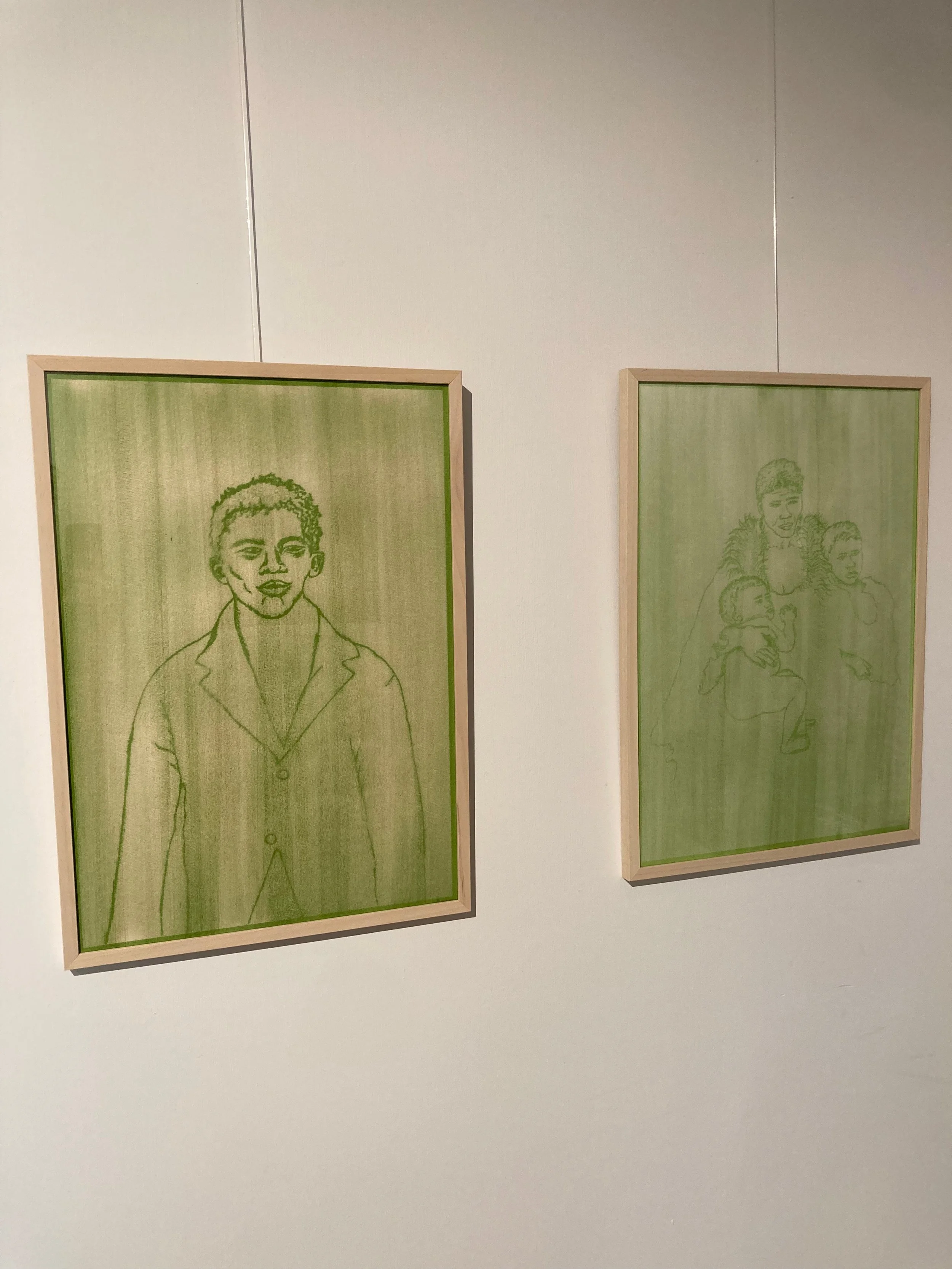
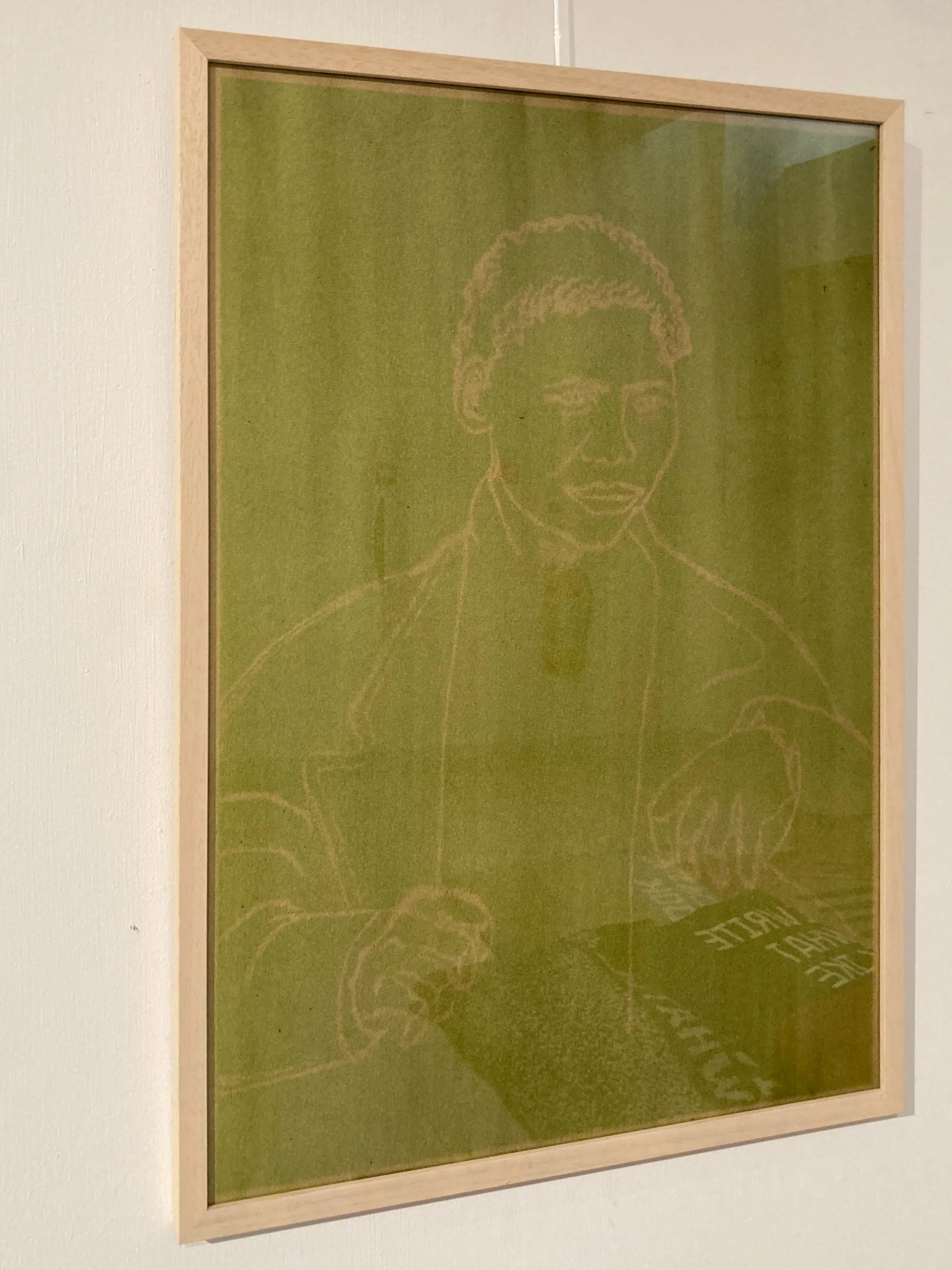
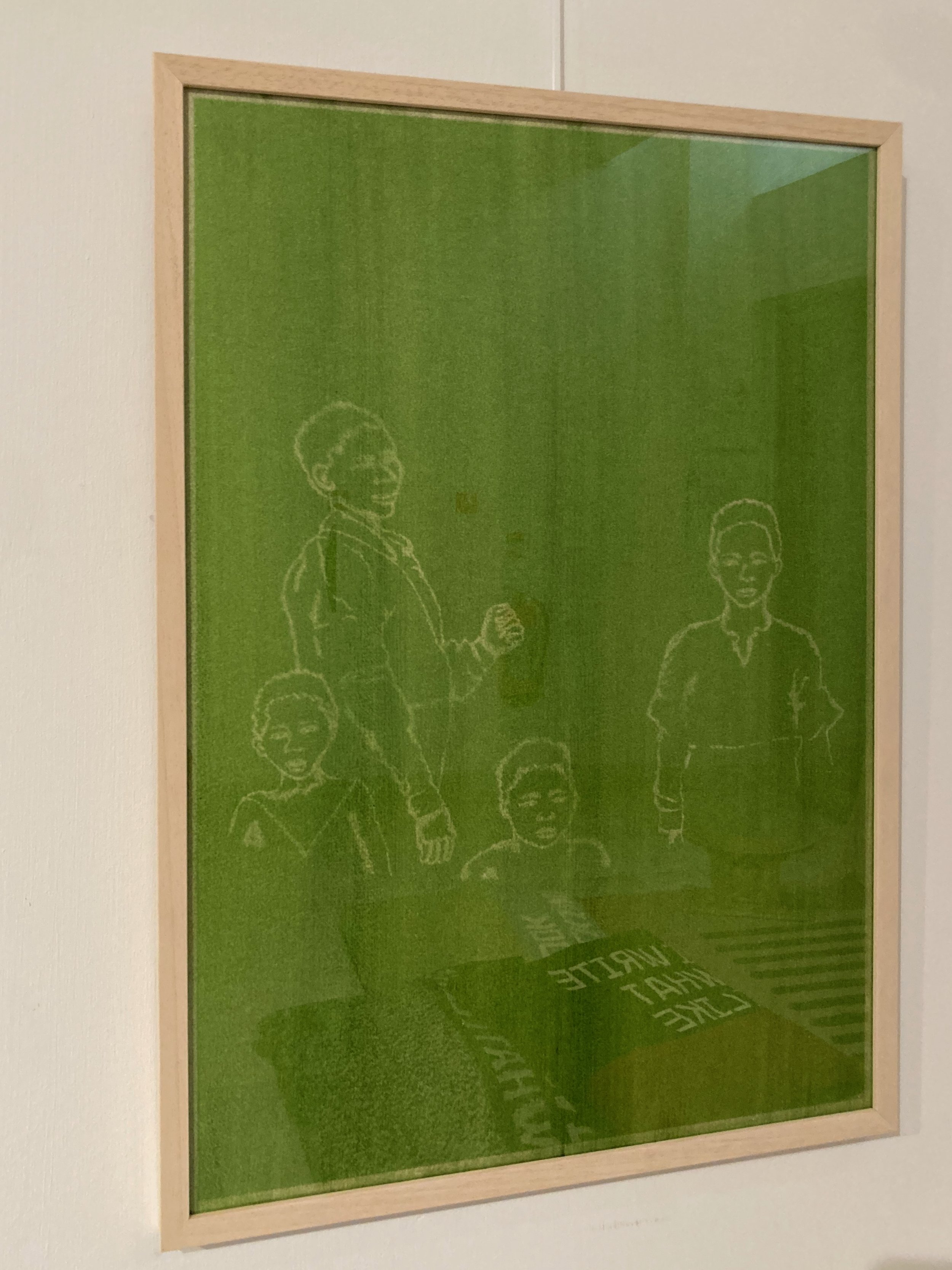
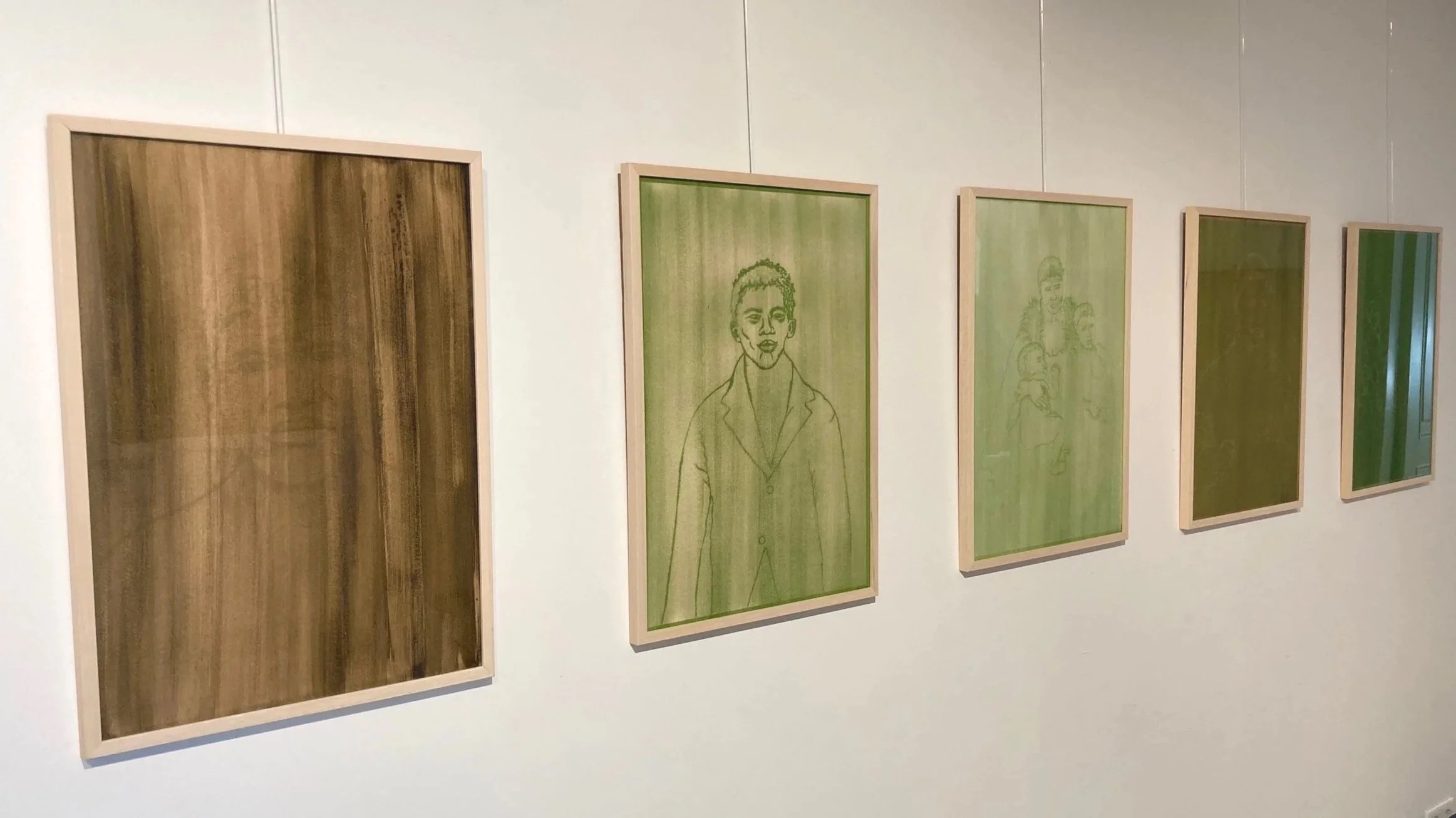
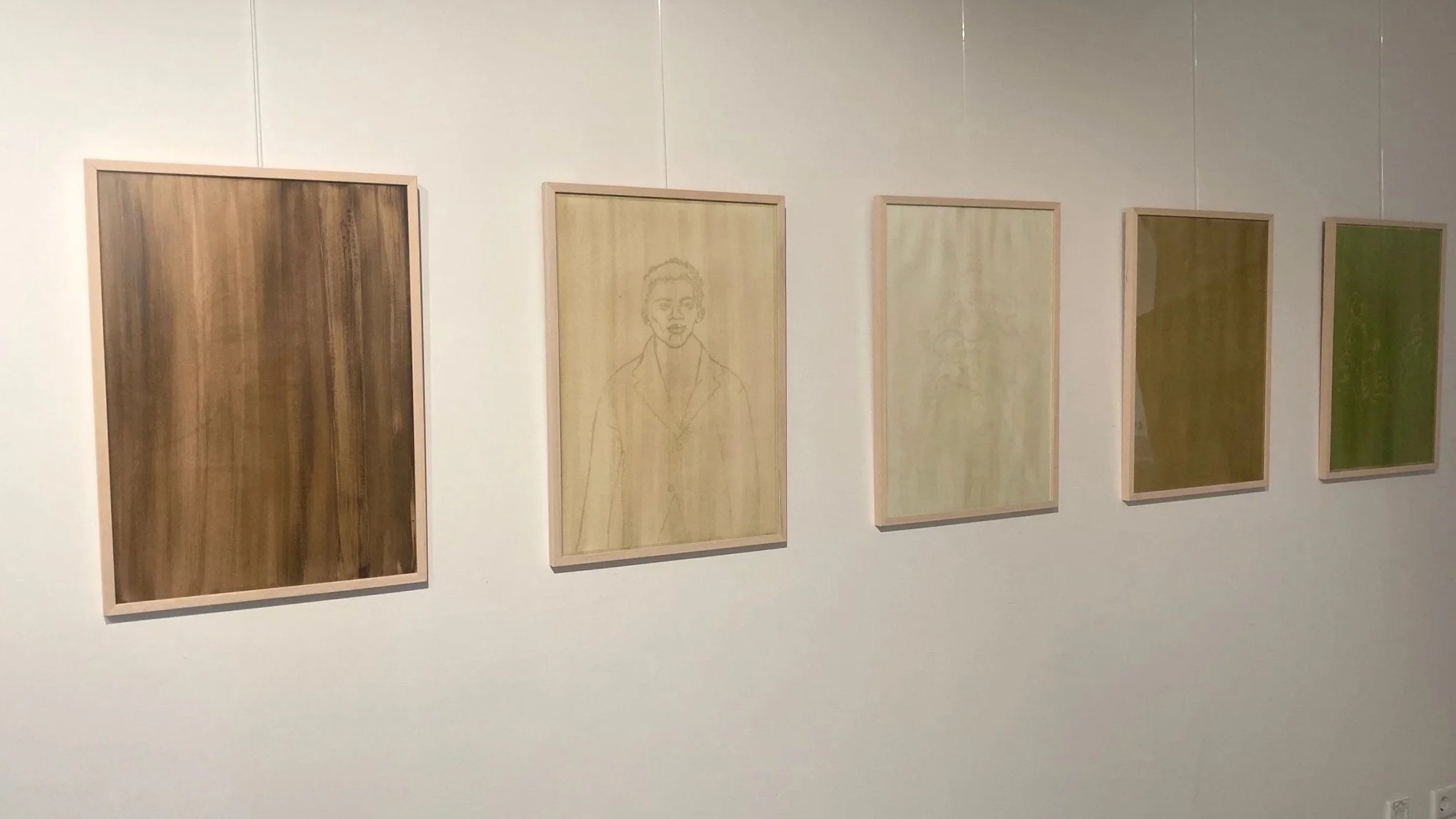
Over time the anthotypes slowly fade and change colour in the light. The image on the left was taken at the start of the exhibition and the image on the right at the end.